Activity Based Therapy
Unlock Your Brain and Maintain Your Independence!
What is Activity Based Therapy?
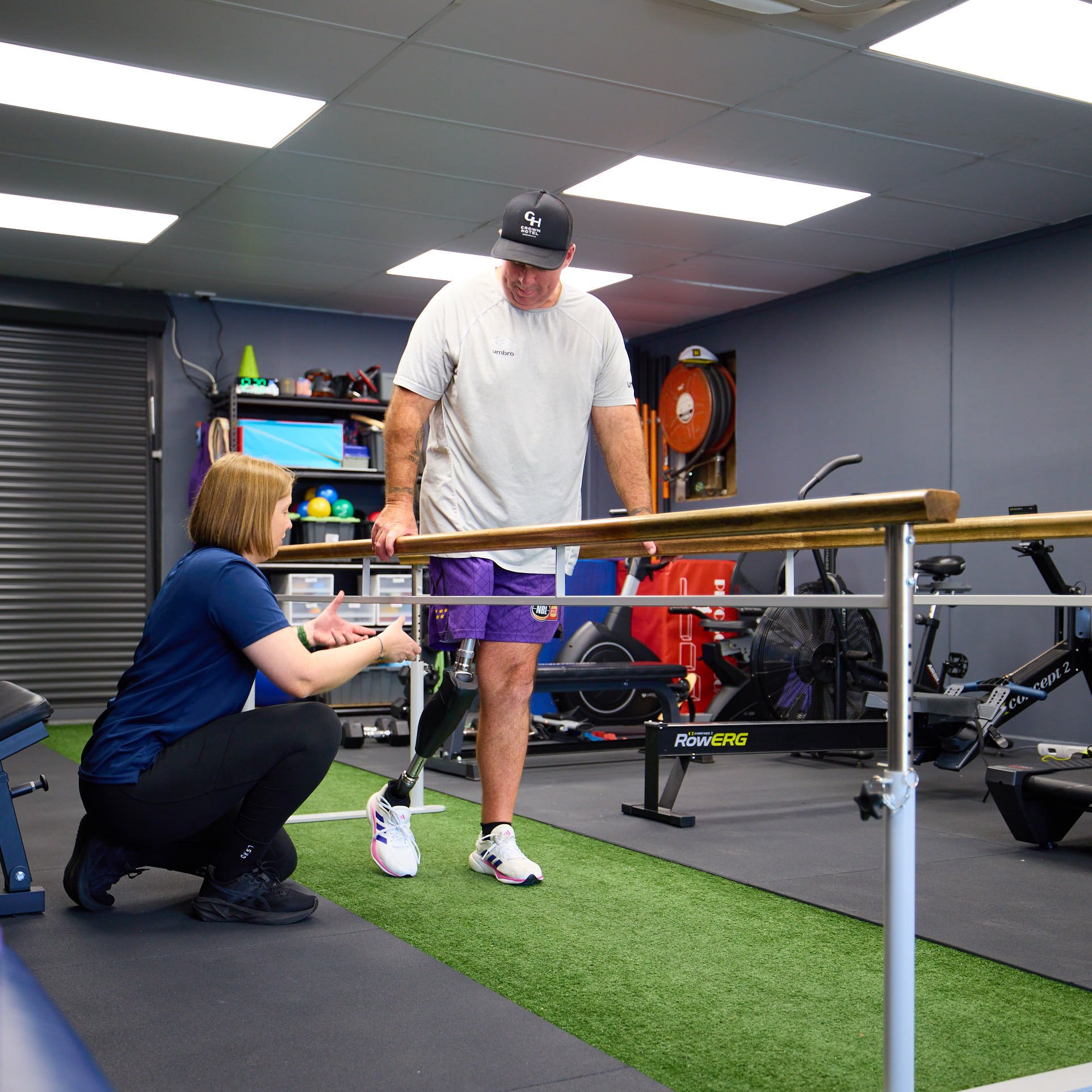
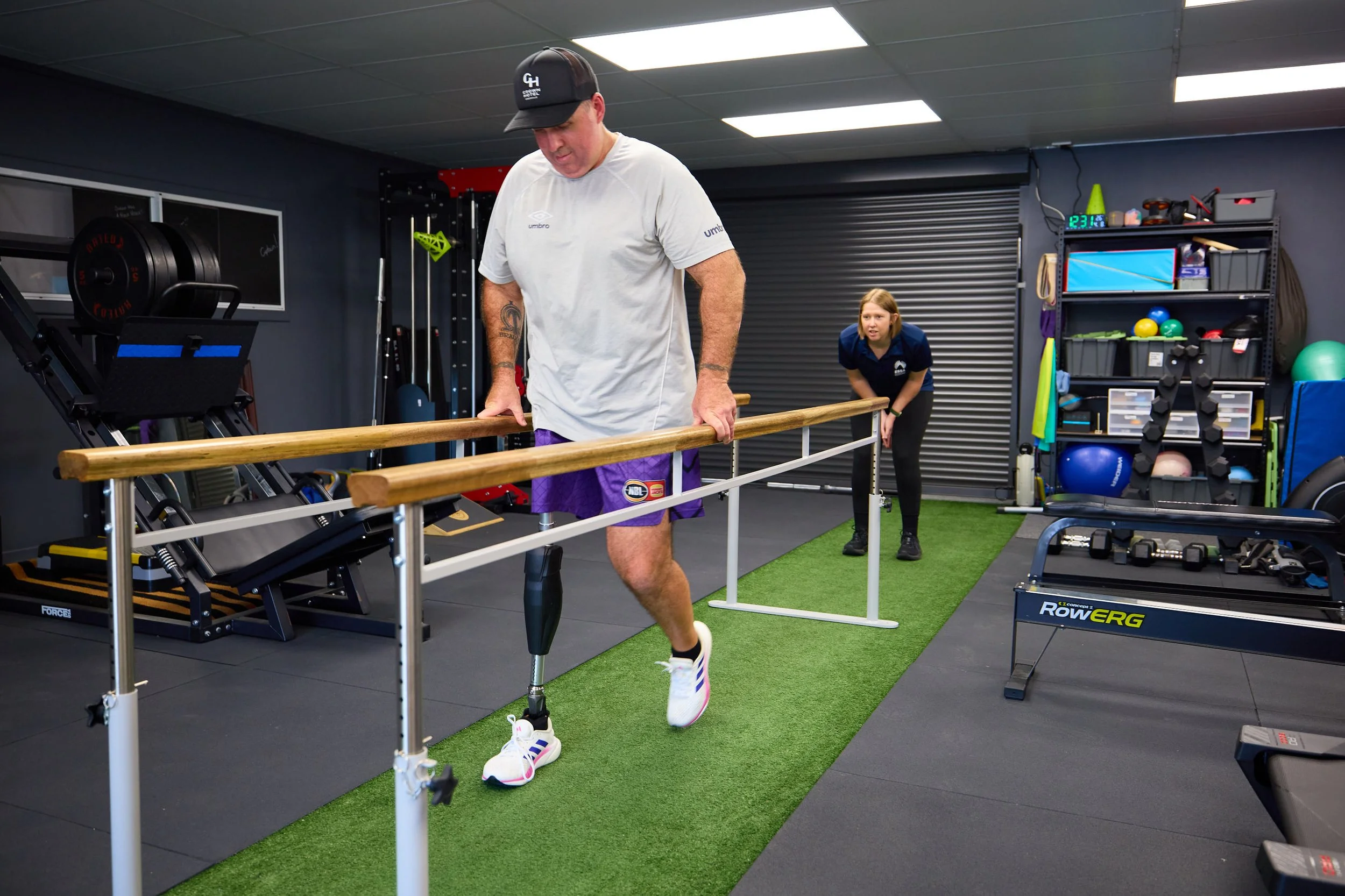
A rehabilitation approach designed to help people with neurological conditions strengthen their nervous system through purposeful movement. Instead of focusing on compensatory strategies for lost function, ABT aims to restore movement and independence by activating muscles and nerves.
ABT sessions involve functional, task-specific exercises, all completed out of chair and weight-bearing to better stimulate the nervous system and maximise movement.
What is Neuroplasticity?
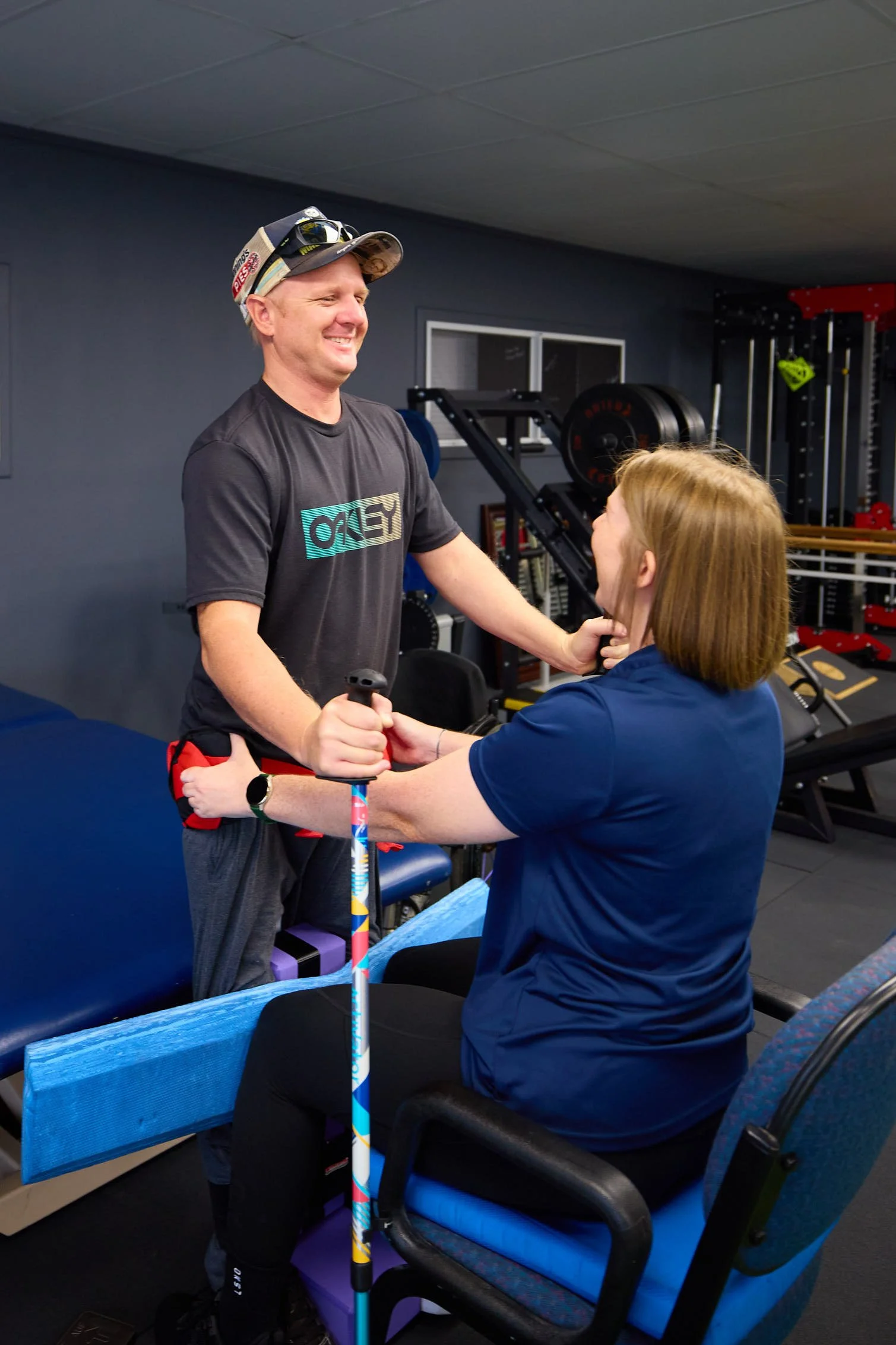
Our central nervous system (the brain and the spinal cord) has an incredible ability to adapt, to reorganise and form new connections in response to experience, learning or injury. This capacity to adapt underpins recovery after neurological damage, and it’s called Neuroplasticity.
ABT utilises the principles of neuroplasticity to ensure the best outcomes:
Use It or Lose It - over time the brain culls the pathways no longer in use, so to maintain or improve these pathways we need to train them
Specific - what you train is what you get
Repetitive - high numbers of repetitions are needed to strengthen neural connections, the more you practice the better the performance
Intense - the body and the brain need to be challenged in order to adapt, if something is easy then you will never experience change
Meaningful - what you’re doing needs to mean something in order for you to get the most out of it, the program needs to be individualised and tailored to your goals
Timing - the sooner you start the better, but know it’s never too late to make a change!
Exercise should be intensive, goal-directed and enriched with sensory feedback to harness neuroplasticity effectively. Understanding these principles is critical for tailoring therapy plans that promote long-term functional recovery.
What are the Benefits of ABT?
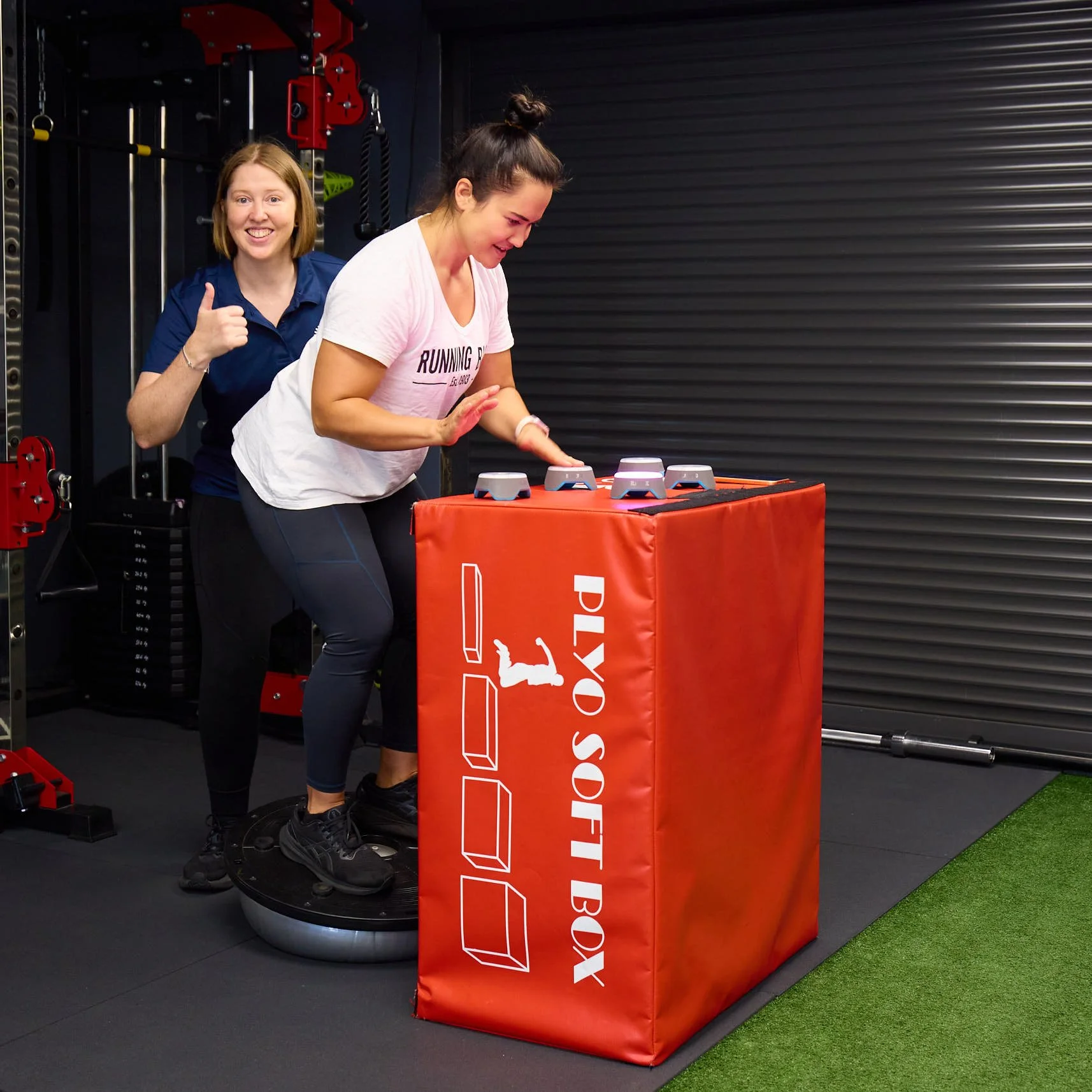
Neuroplasticity and Motor Re-learning - high repetition, weight-bearing activities stimulate central pattern generators and encourage reorganisation within the spinal cord and brain.
Musculoskeletal Health - ABT mitigates secondary complications such as muscle atrophy, bone demineralisation and joint contractures through active loading and movement.
Cardiometabolic Improvements - engaging large muscle groups improves cardiovascular fitness, circulation and metabolic function, reducing long-term health risks.
Spasticity and Tone Regulation - dynamic, patterned movement can help normalise tone and reduce spasticity.
Functional Carryover - by integrating activities of daily living (standing, stepping, reaching), ABT supports improved independence and participation in daily life.